





By Yemi Akinsuyi

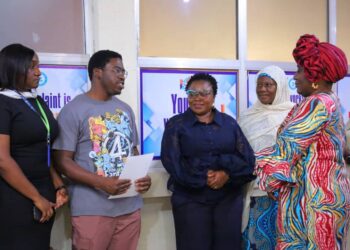
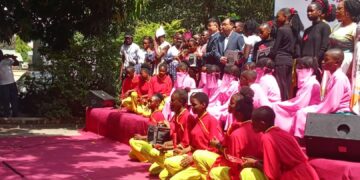
Female journalists in the Federal Capital Territory (FCT) have renewed calls for inclusive newsroom policies, equitable leadership opportunities, and sustained capacity building as the Nigeria Association of Women Journalists (NAWOJ) FCT Chapter, in partnership with the Office of the Head of the Civil Service of the Federation (OHCSF), trained 100 women journalists in Abuja.
The one-day programme, held at the NUJ FCT Secretariat, focused on workplace diversification, editorial influence, leadership growth, and digital journalism skills, including mobile reporting, social media, and AI tools.
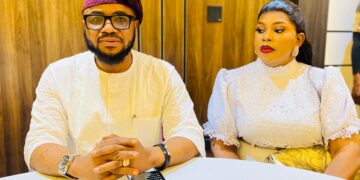
Aisha Ibrahim, National Chairperson of NAWOJ, said diversity in newsrooms is now a necessity that strengthens perspectives and ensures media content reflects society accurately. She noted that women remain underrepresented in editorial leadership and still face subtle biases that limit their influence.
FCT NAWOJ Chairperson, Bassey Ita Ikpang, said the training was part of efforts to build a stronger, more visible, and better-equipped community of female journalists who often juggle newsroom pressures, limited visibility, and demanding personal roles.
In her keynote address, Head of the Civil Service of the Federation, Dr. Didi Esther Walson-Jack, emphasised that inclusive media institutions make better decisions and enrich national narratives. She highlighted ongoing government reforms promoting merit, digital capacity, and equitable representation across MDAs, though gaps persist in newsroom leadership.
NUJ FCT Chairperson, Grace Ike, described the training as a bold stand against discrimination, noting that many women journalists continue to face harassment, unfair assignments, and restricted opportunities despite their competence.
Participants said the programme provided practical skills, renewed confidence, and a stronger collective voice to challenge inequality and expand leadership spaces within the media.
The initiative forms part of NAWOJ’s broader efforts to advance women’s participation in media leadership and bridge gender gaps in editorial decision-making.